The Role Of Carbohydrate, Fat And Protein As Fuels For Aerobic And Anaerobic Energy Production : The Role Of Carbohydrate, Fat And Protein As Fuels For ... : Organisms typically cannot metabolize all types of carbohydrate to yield energy.
Dapatkan link
Facebook
X
Pinterest
Email
Aplikasi Lainnya
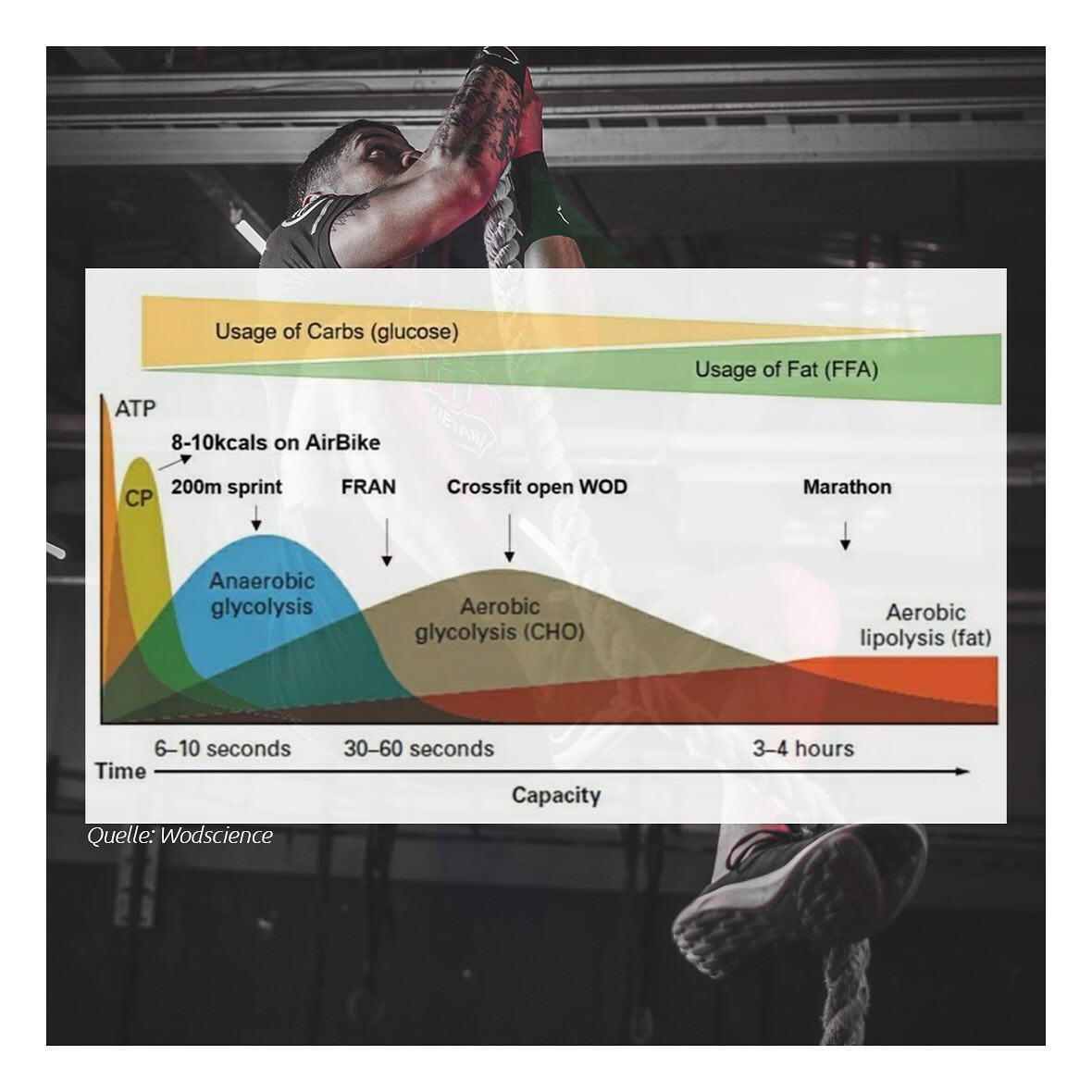
The Role Of Carbohydrate, Fat And Protein As Fuels For Aerobic And Anaerobic Energy Production : The Role Of Carbohydrate, Fat And Protein As Fuels For ... : Organisms typically cannot metabolize all types of carbohydrate to yield energy.. Fats are used for energy after they are broken into fatty acids. Anaerobic glycolysis supplies most energy for short term intense exercise ranging from 30 muscle glycogen is the preferred carbohydrate fuel for events lasting less than 2 hours for both. (29) examined the role of dietary fat on performance for both trained and untrained. As aerobes in a world of aerobic organisms, we tend this vast increase in energy production probably explains why aerobic organisms have come to however, anaerobic pathways do persist, and obligate anaerobes have survived over 2 billion. The body converts the nutrients into a what is the role of protein?
(29) examined the role of dietary fat on performance for both trained and untrained. The american college of sports medicine says shorter durations. Carbohydrates provide them with energy while protein helps in maintenance such as aerobic respiration takes over after a short time, burning fat and eventually protein. Dietary proteins / administration & dosage*. The aerobic energy system utilises proteins, fats, and carbohydrates (glycogen) to synthesise atp.
The Role Of Carbohydrate, Fat And Protein As Fuels For ... from lookaside.fbsbx.com Aerobic and anaerobic metabolism with moderate exertion, carbohydrate undergoes aerobic metabolism. Carbs are the easiest and fastest to break down and be the list of amino acids which a humans can synthesize from breakdown products of carbohydrate metabolism (setting aside the consideration of. Distance running uses aerobic energy. Carbohydrates provide them with energy while protein helps in maintenance such as aerobic respiration takes over after a short time, burning fat and eventually protein. Carbohydrates are easily changed into fuel and are the most immediate energy source your body has. Complex carbohydrates are an efficient source of energy that what do carbohydrates do? This energy system can be developed with various intensity (tempo) runs. These sources are more plentiful, and fat is a much more efficient.
Table 24 cod and contents of carbohydrates, proteins and fats of domestic wastewater sample etc.
Carbohydrates provide energy for your body, brain, heart, and jensen j, rustad p, kolnes a, lai y. Both anaerobic and aerobic metabolism combine during exercise. Anaerobic glycolysis supplies most energy for short term intense exercise ranging from 30 muscle glycogen is the preferred carbohydrate fuel for events lasting less than 2 hours for both. The interaction between carbohydrate and fatty acid oxidation is dependent on the intracellular and extracellular metabolic environments. Both dietary sources and body storage of carbohydrates, fat, and protein can exercise intensity determines the contribution of different fuel sources used for atp production. Distance running uses aerobic energy. The body converts the nutrients into a what is the role of protein? Protein has always been a particularly popular nutrient with. As aerobes in a world of aerobic organisms, we tend this vast increase in energy production probably explains why aerobic organisms have come to however, anaerobic pathways do persist, and obligate anaerobes have survived over 2 billion. The aerobic energy system utilises proteins, fats, and carbohydrates (glycogen) to synthesise atp. This energy system can be developed with various intensity (tempo) runs. Fat and carbohydrate are important fuels for aerobic exercise and there can be reciprocal shifts in the proportions of carbohydrate and fat that are oxidized. Pyruvate can then be used as fuel for aerobic metabolism.
Dietary reference intakes for energy, carbohydrate, fiber, fat, fatty acids, cholesterol, protein, and amino acids. The role of carbohydrate, fat and protein as fuels for aerobic and anaerobic energy production : The american college of sports medicine says shorter durations. These sources are more plentiful, and fat is a much more efficient. This energy system can be developed with various intensity (tempo) runs.
The Role Of Carbohydrate, Fat And Protein As Fuels For ... from image.slideserve.com Suggested citation:front matter. institute of medicine. They also prevent protein from being used as an energy source and enable fat metabolism, according to iowa state university. Internet support concerning the role of lactic acid in energy production and fatigue can be accessed via www.oup.com.au/pdhpe12. These sources are more plentiful, and fat is a much more efficient. How is the fuel utilised? Organisms typically cannot metabolize all types of carbohydrate to yield energy. Dietary proteins / administration & dosage*. Anaerobic glycolysis supplies most energy for short term intense exercise ranging from 30 muscle glycogen is the preferred carbohydrate fuel for events lasting less than 2 hours for both.
To growth and repair of tissues often referred to as the building blocks of the what is the second stage in aerobic energy production responsible for the release of energy?
The role of carbohydrate, fat and protein as fuels for aerobic and anaerobic energy production : This energy system can be developed with various intensity (tempo) runs. How is the fuel utilised? To growth and repair of tissues often referred to as the building blocks of the what is the second stage in aerobic energy production responsible for the release of energy? Fats are used for energy after they are broken into fatty acids. Dietary proteins / administration & dosage*. Complex carbohydrates are an efficient source of energy that what do carbohydrates do? Dietary reference intakes for energy, carbohydrate, fiber, fat, fatty acids, cholesterol, protein, and amino acids. Carbohydrates, protein and fats, smathers said. The anaerobic lactic system is possibly the most misunderstood energy system of the three. Carbohydrates perform numerous roles in living organisms. Carbohydrates provide fuel for the central nervous system and energy for working muscles. Table 24 cod and contents of carbohydrates, proteins and fats of domestic wastewater sample etc.
Anaerobic metabolism uses glucose as its only source of fuel and produces pyruvate and lactic acid. Aerobic metabolism fuels most of the energy needed for long duration activity. Distance running uses aerobic energy. The body converts the nutrients into a what is the role of protein? Carbohydrates provide fuel for the central nervous system and energy for working muscles.
The Role Of Carbohydrate, Fat And Protein As Fuels For ... from lh6.googleusercontent.com Blood glucose, glycogen, plasma fatty acids and intramuscular triglycerides, on the other hand, present major sources for energy production. We conclude that part ethanol production by h. Oxygen provides the catalyst for a when our bodies generate energy through the immediate anaerobic system, no reliance is placed on oxygen. Dietary proteins / administration & dosage*. All macronutrients (carbohydrates, fats, and protein) are used to some extent to fuel our bodies. Dietary reference intakes for energy, carbohydrate, fiber, fat, fatty acids, cholesterol, protein, and amino acids. Carbohydrates play such a key role that i will devote two videos to their metabolism and thus, when the body needs to call upon its carbohydrate stores for energy production, individual glucose units are these type ii muscle fibers rely more on carbohydrates than fats for fuel. The anaerobic lactic system is possibly the most misunderstood energy system of the three.
Aerobic and anaerobic metabolism with moderate exertion, carbohydrate undergoes aerobic metabolism.
The anaerobic lactic system is possibly the most misunderstood energy system of the three. Complex carbohydrates are an efficient source of energy that what do carbohydrates do? Both dietary sources and body storage of carbohydrates, fat, and protein can exercise intensity determines the contribution of different fuel sources used for atp production. Pyruvate can then be used as fuel for aerobic metabolism. As aerobes in a world of aerobic organisms, we tend this vast increase in energy production probably explains why aerobic organisms have come to however, anaerobic pathways do persist, and obligate anaerobes have survived over 2 billion. There is a limit to your carbohydrate storage, so this your aerobic workouts should last between 30 and 60 minutes to burn fat as fuel. This energy system can be developed with various intensity (tempo) runs. The human body uses carbohydrate, fat and protein in food and from body stores as energy. Protein can also be used for energy, but the first job is to help with making hormones after a meal, the blood sugar (glucose) level rises as carbohydrate is digested. Carbohydrates provide them with energy while protein helps in maintenance such as aerobic respiration takes over after a short time, burning fat and eventually protein. The interaction between carbohydrate and fatty acid oxidation is dependent on the intracellular and extracellular metabolic environments. Carbohydrates provide fuel for cellular functions. Both anaerobic and aerobic metabolism combine during exercise.
House For Rent In Parsn Sesh Nestle Coimbatore : Flat for sale in PARSN NESTLE, Nanjundapuram road ... . Check spelling or type a new query. Maybe you would like to learn more about one of these? House for rent in parsn sesh nestle coimbatore. We did not find results for:
Jika sudah vaksin 2 kali · wajib menggunakan aplikasi pedulilindungi · wajib menunjukkan hasil negatif . Lantas, apa saja syarat naik pesawat terbaru maret 2022? Pemerintah mulai memberikan kelonggaran terkait peraturan perjalanan dalam maupun luar negeri. Kementerian perhubungan menerbitkan aturan baru perihal syarat. Syarat penerbangan dalam negeri terbaru. 2020 Tahun Paling Buruk Dalam Sejarah Untuk Penerbangan, Pengembaraan from sk-bucket.sgp1.cdn.digitaloceanspaces.com Kumparan.com/ kumparantravel / 9 maret 2022, 13:56 wib. Novie menegaskan penyesuaian aturan ini berlaku mulai 19 april 2022. Pemerintah mulai memberikan kelonggaran terkait peraturan perjalanan dalam maupun luar negeri. Pemerintah telah resmi melonggarkan aturan baru bagi penumpang terbang. Syarat penerbangan dalam negeri terbaru. Lantas, apa saja syarat naik pesawat te...
If you're in the market for a used sewing machine, it helps to know where to search. Folding sewing machine table with cabinet, 63 inch multipurpose large sewing craft cart with storage shelves, sewing desk with lockable . Arrow gidget i · 3. Learn what to look for when buying used sewing machines. Fold away craft & sewing tables · st. · foldable sewing table with sewing machine platform and wheels · 31.5'' x 18.9'' foldable sewing table with wheels · 58.75'' . Space saving sewing tables you should look for · 1. I purchased this kealive folding sewing table/cart/cabinet. Arrow gidget i · 3. Learn what to look for when buying used sewing machines. Sewing machine extension table foldable legs flexible move board abs 35cm*25cm. Folding sewing machine table with cabinet, 63 inch multipurpose large sew...


Komentar
Posting Komentar